“mineral water” search results (1000)
What kind of water is better to make coffee? The quality of water has a great influence on the quality of a good cup of coffee.
According to research, the proportion of water in a cup of coffee is about 98.5% 99%, and the substance extracted from coffee accounts for only 1% 1.5%, so water is a very important factor in determining the taste of coffee. Of course, the taste of coffee is also related to many factors: raw beans, roasting and making. In fact, not all water is suitable for making coffee. When we drink mineral water and pure water,
2016-01-12 Production coffee what water ratio better quality good or bad one cup great influence
Introduction to the Fine Coffee Kona Coffee Flavor Manor
Kona coffee is suitable for the right geographical location and climate. Coffee trees grow on the slopes of volcanoes, and their geographical location ensures the altitude needed for coffee to grow; the dark volcanic ash soil provides the necessary minerals for coffee. This is probably due to the fact that Kona Island is rich in volcanic black mud with moderate acidity, rich mineral content and suitable water content. And every day
2016-08-03 Moisture full Hawaii boutique coffee Kona flavor taste manor producing area
Healthy drinking too much coffee will lead to bone loss
Basically drink coffee at home and carbonated drinks outside. A beautiful civil servant in Suzhou in her 20s had a chance to measure bone mineral density, and the result was-1.8, which was not only lower than that of colleagues, but also lower than that of middle-aged women. October 20th is World Osteoporosis Day. Xu Youjia, Chairman of the Professional Committee of Osteoporosis and Bone Mineral Diseases of Suzhou Medical Association and Professor Xu Youjia of the second Hospital of Suzhou University
2014-10-25 Coffee knowledge coffee health coffee and calcium
Hawaiian Kona Coffee Flavor introduction Hawaiian Coffee Bean Fine Coffee
The quality of the fine Kona coffee is suitable for the right geographical location and climate. Coffee trees grow on the slopes of volcanoes, and their geographical location ensures the altitude needed for coffee to grow; the dark volcanic ash soil provides the necessary minerals for coffee. This is probably due to the fact that Kona Island is rich in volcanic black mud with moderate acidity, rich mineral content and suitable water content. Parallel
2016-07-27 Hawaii Kona coffee flavor taste introduction coffee beans boutique fine product
The impact of environmental changes on coffee what affects the quality of coffee? The relationship between coffee and environment
1. Temperature change: the higher the external temperature, the finer the coffee beans will be ground; otherwise, the coffee beans will be ground coarsely. Generally speaking, the environment for coffee production is 18 to 23 degrees. two。 Changes in humidity: the greater the humidity, the thicker the coffee beans are ground. Compared with temperature and humidity, coffee production is mainly affected by ambient temperature. 3. Water quality requirements: generally speaking 70ppm (minerals in water)
2016-03-17 Environment change coffee influence what sound quality temperature outside world
The importance of Water in Coffee making
The following is our share of water for coffee making for your reference and discussion.
2014-08-20 Coffee knowledge coffee making coffee and water coffee encyclopedia
Analysis of Coffee Bean Composition
Coffee Bean Composition Analysis Green Bean (Unit: Percentage) Moisture: 11.3 Fat: 11.7 Protein: 11.8 Sugar: 8.0 Essence: 17.1 Caffeine: 1.3 Tannin: 6.0 Minerals: 4.2 Crude Fiber: 28.6 Cooked Bean Moisture: 2.5 Fat: 13.2 Protein: 12.8 Sugar: 1.8 Essence: 29.6 Caffeine: 1.3 Tannin: 4.0 Minerals
2014-06-26 Coffee bean ingredients single-ingredient coffee beans
Introduction of American Hawaiian coffee beans with moderate acidity of volcanic black mud
The quality of the fine Kona coffee is suitable for the right geographical location and climate. Coffee trees grow on the slopes of volcanoes, and their geographical location ensures the altitude needed for coffee to grow; the dark volcanic ash soil provides the necessary minerals for coffee. This is probably due to the fact that Kona Island is rich in volcanic black mud with moderate acidity, rich mineral content and suitable water content. Parallel
2016-06-21 Volcano acidity medium USA Hawaii Coffee Bean introduction Fine Pine Coffee
Analysis of the composition of coffee beans what ingredients are contained in a coffee bean?
Raw bean (unit: percentage) moisture: 11.3 fat: 11.7 protein: 11.8 sugar: 8.0 essence: 17.1 caffeine: 1.3 Salmonic acid: 6.0 Minerals: 4.2 crude fiber: 28.6 cooked bean moisture: 2.5 fat: 13.2 protein: 12.8 sugar: 1.8 essence: 29.6 caffeine: 1.3 Salvianolic acid: 4 .0 mineral: 5.2 crude fiber: 29.
2015-10-26 Coffee beans ingredients analysis one contains which raw beans units percentage water
Introduction to Xuemai Manor, Flavor Manor in Bolivian Coffee producing area
Rich in mineral resources, mainly tin, antimony, tungsten, silver, zinc, lead, copper, nickel, iron, gold and so on. Mineral deposits are rich, with tin reserves of 1.15 million tons, ranking second in the world; iron reserves of 45 billion tons, second only to Brazil in Latin America; and lithium reserves of 100 million tons, ranking first in the world. [7] Oil and gas Bolivia is rich in oil and gas resources. Proven oil reserves are 929 million barrels, as of 2013
2016-08-10 Bolivia coffee characteristics producing area flavor taste manor snow vein introduction mine
How to make Jamaican Blue Mountain Coffee
Brew a pot of Blue Mountain Coffee in a classic siphon pot.
2015-02-02 Jamaica Blue Mountain coffee how classic siphon kettle a pot
ILLY Italian Arabica coffee beans (Guatemala) Starbucks Guatemala Antigua Coffee
[guide] the Ekatlago Valley rises to 2000 meters (6500 feet), with dense shade and unique ecology, and the nearby Fuego volcano erupts, making its coarse, sandy soil rich in various minerals. Temperate sea breezes from the Pacific Ocean and seasonal climate have raised the Ekatangol Valley in Guatemala Guatemala to 2000 meters (6500 feet).
2016-04-26 ILLY Italian Allah Bega individual coffee beans Guatemala Buck Ann
Hawaiian Kona Coffee Flavor with excellent taste introduction to boutique coffee beans in manor area
The quality of the fine Kona coffee is suitable for the right geographical location and climate. Coffee trees grow on the slopes of volcanoes, and their geographical location ensures the altitude needed for coffee to grow; the dark volcanic ash soil provides the necessary minerals for coffee. This is probably due to the fact that Kona Island is rich in volcanic black mud with moderate acidity, rich mineral content and suitable water content. Parallel
2016-08-09 Excellent taste Hawaii Kona coffee flavor manor producing area characteristics boutique
Composition Analysis of Coffee beans basic knowledge of Fine Coffee
Raw bean (unit: percentage) moisture: 11.3 fat: 11.7 protein: 11.8 sugar: 8.0 essence: 17.1 caffeine: 1.3 Salmonic acid: 6.0 Minerals: 4.2 crude fiber: 28.6 cooked bean moisture: 2.5 fat: 13.2 protein: 12.8 sugar: 1.8 essence: 29.6 caffeine: 1.3 Salvianolic acid: 4 .0 mineral: 5.2 crude fiber: 29.
2015-04-13 Coffee beans ingredients analysis boutique coffee basics common sense raw beans units percent
Fresh Hawaiian Kona Coffee Flavor Taste the characteristics of the manor area introduce Hawaiian boutique coffee
The quality of the fine Kona coffee is suitable for the right geographical location and climate. Coffee trees grow on the slopes of volcanoes, and their geographical location ensures the altitude needed for coffee to grow; the dark volcanic ash soil provides the necessary minerals for coffee. This is probably due to the fact that Kona Island is rich in volcanic black mud with moderate acidity, rich mineral content and suitable water content. Parallel
2016-08-04 Taste fresh Hawaii Kona Coffee Flavor Manor producing area characteristics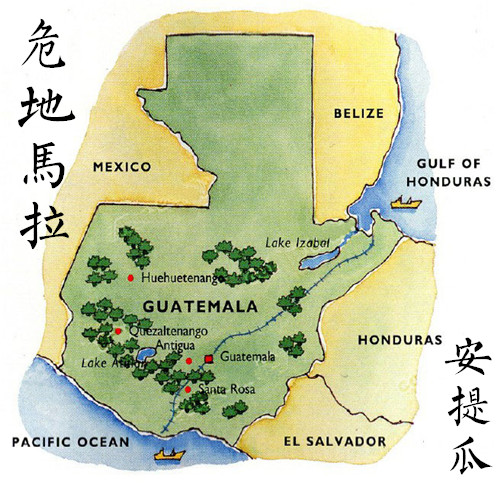
Guatemalan Coffee how to taste a single coffee? Guatemalan Coffee Latisha Manor
[guide] the Ekatlago Valley rises to 2000 meters (6500 feet), with dense shade and unique ecology, and the nearby Fuego volcano erupts, making its coarse, sandy soil rich in various minerals. Temperate sea breezes from the Pacific Ocean and seasonal climate have raised the Ekatangol Valley in Guatemala Guatemala to 2000 meters (6500 feet).
2016-04-26 Guatemala coffee how to tasting one item Larty manor guide ai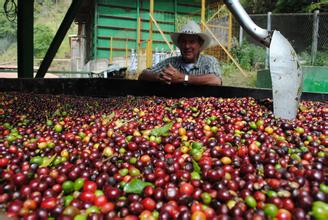
Buy Guatemalan Coffee how to taste a single coffee? Antigua Antigua Guatemala
[guide] the Ekatlago Valley rises to 2000 meters (6500 feet), with dense shade and unique ecology, and the nearby Fuego volcano erupts, making its coarse, sandy soil rich in various minerals. Temperate sea breezes from the Pacific Ocean and seasonal climate have raised the Ekatangol Valley in Guatemala Guatemala to 2000 meters (6500 feet).
2016-04-26 Buy Guatemala coffee how tasting one single item Antioch Guaan tie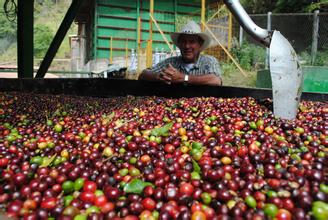
Guatemala National Guatemala production area Guatemala time Guatemala Coffee New Oriental region
[guide] the Ekatlago Valley rises to 2000 meters (6500 feet), with dense shade and unique ecology, and the nearby Fuego volcano erupts, making its coarse, sandy soil rich in various minerals. Temperate sea breezes from the Pacific Ocean and seasonal climate have raised the Ekatangol Valley in Guatemala Guatemala to 2000 meters (6500 feet).
2016-04-26 Guatemala country producing area time Coffee New Oriental Guide Aika Turan
Analysis of the components of high-quality coffee beans with knowledge
Raw bean (unit: percentage) moisture: 11.3 fat: 11.7 protein: 11.8 sugar: 8.0 essence: 17.1 caffeine: 1.3 Salmonic acid: 6.0 Minerals: 4.2 crude fiber: 28.6 cooked bean moisture: 2.5 fat: 13.2 protein: 12.8 sugar: 1.8 essence: 29.6 caffeine: 1.3 Salvianolic acid: 4 .0 mineral: 5.2 crude fiber: 29.
2015-01-26 Boutique coffee beans knowledge ingredients analysis raw beans unit percentage moisture 1
Coffee import declaration, coffee bean import declaration, supply, Guatemala coffee import declaration process
[guide] the Ekatlago Valley rises to 2000 meters (6500 feet), with dense shade and unique ecology, and the nearby Fuego volcano erupts, making its coarse, sandy soil rich in various minerals. Temperate sea breezes from the Pacific Ocean and seasonal climate have raised the Ekatangol Valley in Guatemala Guatemala to 2000 meters (6500 feet).
2016-04-26 Coffee Import Customs Declaration Coffee beans supply Guatemala process Guide